What Makes Port Charlotte's Summers Especially Hard on AC Systems?
Published: 2026-04-25 · By ElevatedHVAC AC Repair
Imagine it’s mid-July in Port Charlotte, and the heat index is pushing well past 100 degrees. You walk into your home, expecting a cool respite, only to be met with stale, hot air. A glance at your thermostat reveals the AC unit is dead, leaving you in a sticky, sweltering nightmare. For homeowners here, this scenario isn’t just uncomfortable; it can have serious implications on both health and property value. Tropical storms and high humidity not only test the limits of your air conditioning system but can also escalate repair needs and costs, making it critical to understand why local conditions can be especially hard on AC systems.
Why This Matters for Port Charlotte Homeowners
Port Charlotte's sweltering summers amplify the demands on air conditioning systems. With humidity levels often exceeding 90%, your unit is always working overtime to cool both the indoor air and manage moisture levels. This excessive stress on AC systems can lead to breakdowns, particularly if units are not regularly maintained. Corrosive salt air from the coast further complicates matters, causing metal components to corrode faster than in non-coastal areas. Without proper care, what seems like a minor issue can escalate into costly repairs or even a full system replacement.
Moreover, storms and hurricanes are part of Port Charlotte's seasonal cycle. These severe weather events can cause significant strain on AC systems due to power fluctuations or even inundation from flooding. Homeowners should be especially mindful of the unique combination of heat and moisture, as they can create the perfect conditions for mold growth if AC units fail to operate effectively.
Expert Solutions & Actionable Tips
1. Regular Maintenance is Essential
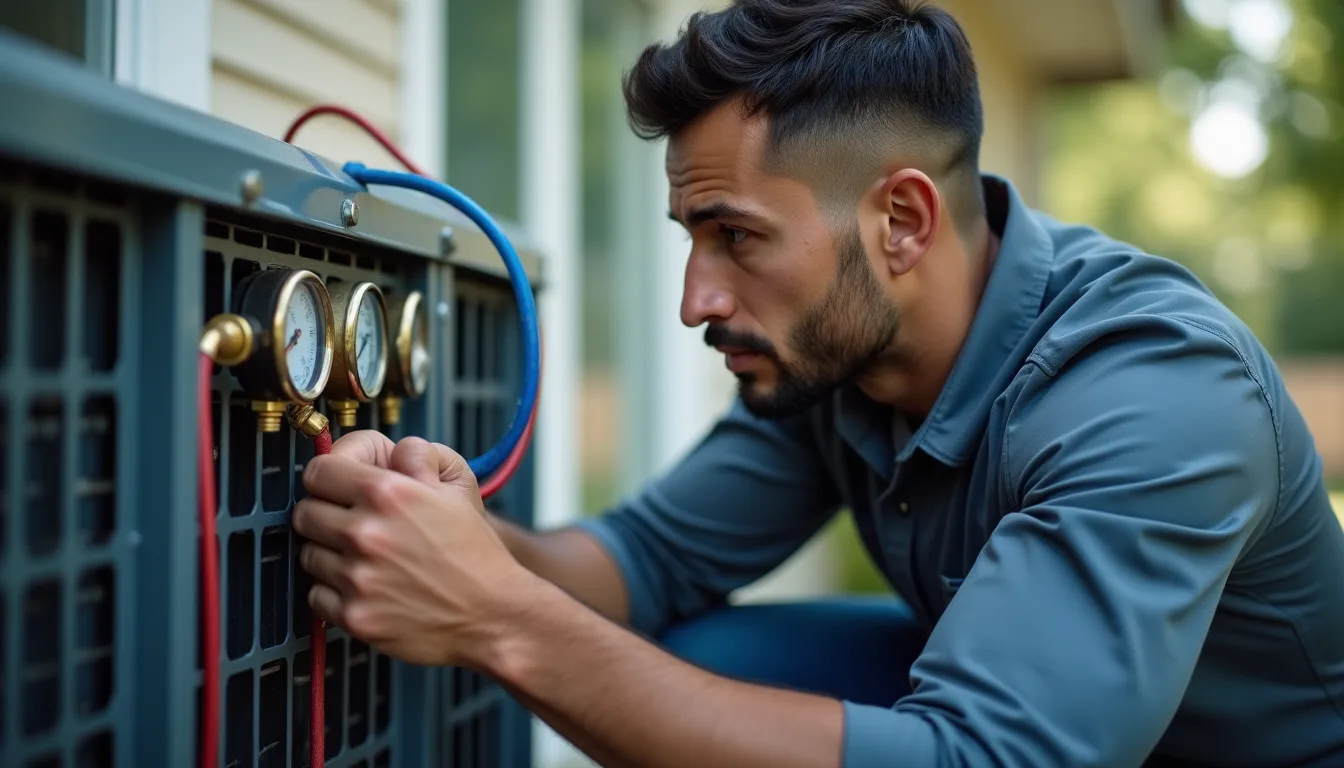
In humid conditions, scheduling biannual maintenance for your AC unit is crucial. Ideally, spring and fall inspections allow technicians to clean coils and check refrigerant levels, generally costing between $80 to $150 per visit. Regular maintenance not only minimizes the risk of summer breakdowns but can extend the life of your unit significantly.
2. Seal Ducts to Improve Efficiency
Poorly sealed ducts can waste between 20% to 30% of the energy your AC uses. In Port Charlotte’s climate, sealing ducts properly can lead to cost savings on energy bills, which can range from $150 to $300 annually. A professional duct sealing service can ensure you maximize efficiency and comfort in your home.
3. Invest in a Dehumidifier
In areas with high humidity, integrating a dehumidifier can alleviate the workload on your AC system. Expect to budget $150 to $300 for a decent unit. Not only does this improve comfort, but it can reduce energy costs and prolong the life of your air conditioning system by controlling moisture levels.
4. Consider Upgrade Options for Aging Units
If your AC unit is over 10 years old, it might be time to consider upgrading. New models are designed to handle high humidity more efficiently. Depending on your home size, replacement costs can range from $3,500 to $7,500. Factor in potential long-term savings and rebates; this may offer a smart investment in the long run.
5. Use Smart Thermostats
Switching to a smart thermostat can optimize your air conditioning system's performance. These devices can cost anywhere from $100 to $300 and help manage cooling needs based on patterns, thus safeguarding comfort while reducing running costs.
6. Shield Your Outdoor Units
Installing a protective cover for your outdoor AC unit can help reduce wear from salt air and tropical storms. Budgeting around $100 to $200 for a good cover may save you from expensive repairs due to corrosion and debris damage over time.
Port Charlotte Climate & Local Context
Port Charlotte's tropical climate poses unique challenges for property owners regarding air conditioning systems. Elevated homes are common, which often necessitate moisture barriers to safeguard against the regions’ humidity and potential flooding. Local building codes emphasize the need for these precautions as many neighborhoods are close to the water. Additionally, homes built within the past decade may have better-designed ventilation systems, but they still require protection from both the elements and the corrosive effects of salt air.
Local regulations also stipulate permits for any significant AC repairs or replacements. Homeowners should check city guidelines to ensure compliance and avoid any setbacks or fines. Keeping abreast of these requirements while managing seasonal risks is key to maintaining both comfort and property integrity in Port Charlotte.
When to Call a Professional
When it comes to air conditioning repair, knowing when to tackle issues yourself and when to consult a professional can save significantly in both time and costs. Many homeowners may feel inclined to make minor adjustments or repairs, but this can lead to complications if not done correctly. Here are some scenarios that warrant an immediate call to a professional:
- Burst pipes or refrigerant leaks
- No airflow, even when the system is running
- A sudden spike in energy bills without a change in usage
- Unusual sounds or smells coming from the unit
- Water pooling around the indoor or outdoor unit
- Inconsistent temperatures throughout the home
In cases like these, attempting a DIY fix can often exacerbate the problem, potentially leading to higher repair costs down the line. Professionals not only possess the necessary expertise but also ensure compliance with local codes and safety standards.
Frequently Asked Questions
How often should I have my AC serviced?
In Port Charlotte, it's advisable to have your AC serviced twice a year—once before the peak summer heat and once in the fall.
What are signs that my AC needs repair?
Look for inconsistencies in temperature, unusual noises, or an increase in energy bills. These can all indicate impending issues.
How can humidity affect my air conditioning system?
High humidity can cause AC systems to work harder, leading to more wear and tear, higher energy costs, and potential breakdowns.
What should I do if my AC stops working during a storm?
If your AC fails during a storm, avoid trying to troubleshoot until it's safe. After the storm, check for power restoration before calling a professional.
Are there any local regulations for AC installation?
Yes, Port Charlotte requires permits for major AC installations or replacements to ensure compliance with building codes.
Get Expert Air Conditioning Repair Service in Port Charlotte
Don’t wait for the heat of summer to experience the consequences of an unreliable AC system. If you’re in Port Charlotte and need AC assistance, reach out to ElevatedHVAC AC Repair. Our team is ready to help you keep your home cool and comfortable. Call (941) 384-3568 today!
We understand the unique challenges that Port Charlotte homeowners face, and our experts are here to ensure your air conditioning operates efficiently all summer long.