Top 7 AC Problems Port Charlotte Homeowners Report Every Spring
Published: 2026-04-25 · By ElevatedHVAC AC Repair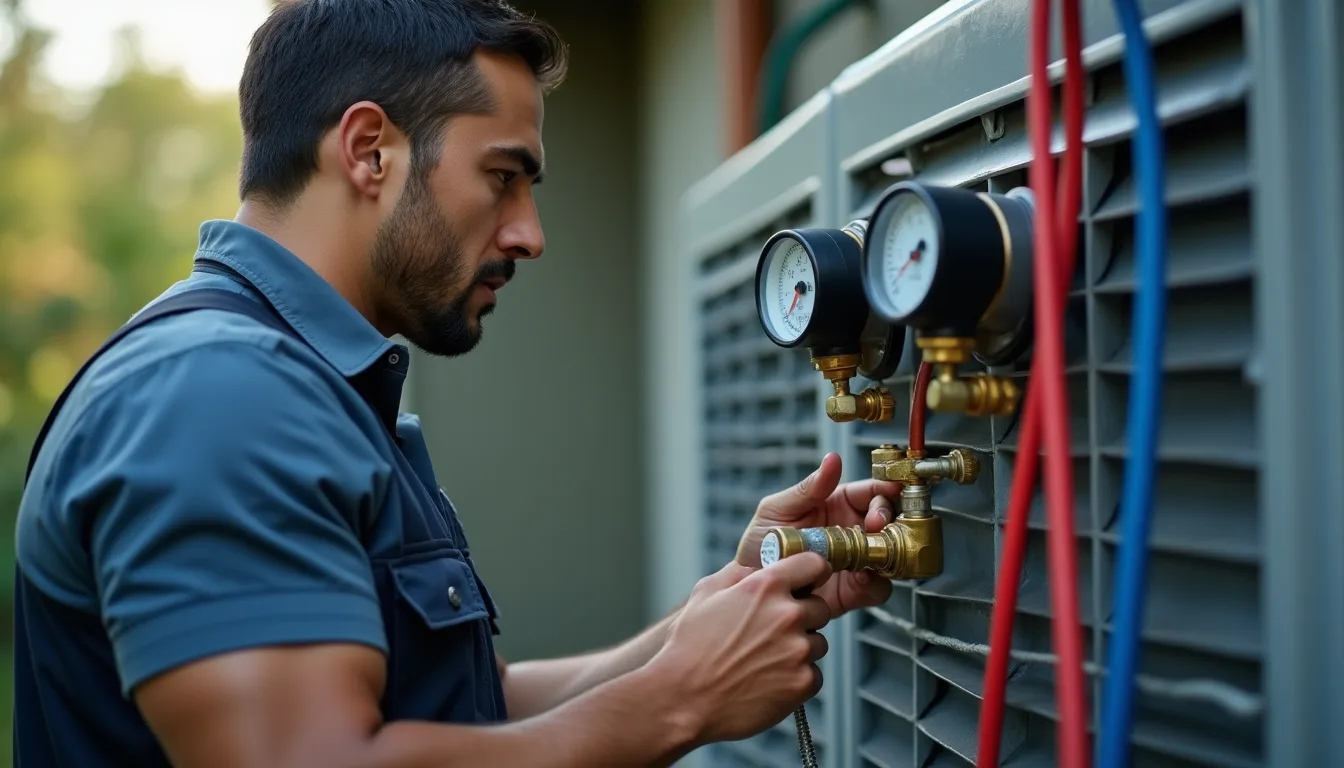
As the humidity starts to rise and the first hints of summer warmth settle over Port Charlotte, FL, many homeowners turn their attention to their air conditioning systems. However, this time of year often reveals underlying issues that can quickly escalate into costly repairs—right when you need your AC the most. From salt air corrosion to the wear and tear of coastal storms, it's crucial to be aware of common AC problems that could disrupt your comfort. Let’s explore the top seven issues that residents might face every spring, enabling you to stay ahead of the heat.
Why This Matters for Port Charlotte Homeowners
Port Charlotte’s unique climate creates a challenging environment for HVAC systems. High humidity and the corrosive effects of salt air due to nearby coastlines cause significant concern for homeowners. These elements can degrade metal components, resulting in poor efficiency and potential failure during the peak of summer. Knowing which AC issues are most prevalent each spring can help you mitigate unexpected breakdowns and high repair costs later on.
Consider this: tropical storms can wreak havoc on outdoor units. Neglecting to address early signs of wear and tear could mean facing a full system replacement, a much bigger financial burden compared to regular maintenance checks.
Another aspect to keep in mind is that Port Charlotte homes often have elevated structures designed to combat moisture and flooding. However, if your AC unit isn't properly maintained, it may not perform adequately, especially as summer approaches.
Expert Solutions & Actionable Tips
1. 1. Check for Refrigerant Leaks
Refrigerant leaks are a common problem that can lead to significant inefficiencies in your AC system. If your indoor unit isn’t producing cool air, it might be a sign of low refrigerant levels. Repairing these leaks often costs between $200 and $400 and should be addressed promptly to avoid further issues.
With the moisture prevalent in Port Charlotte, a refrigerant leak can also lead to mold and mildew growth inside your home. This not only affects the air quality but can also lead to costly health risks.
2. 2. Clean or Replace Air Filters
Dirty air filters can severely restrict airflow, which places an increased load on your AC system. For Port Charlotte residents, it’s recommended to check your filters monthly during the spring. Replacing filters can cost around $20 to $50 depending on the type, but it’s a small price to pay to ensure efficient operation.
A clean air filter can improve your home’s air circulation and reduce the burden on your system, which can prevent expensive repairs down the line.
3. 3. Inspect Electrical Components
Electrical issues, such as frayed wires or faulty capacitors, can cause your AC unit to malfunction. In humid conditions like Port Charlotte’s, these components can degrade faster. An electrical inspection typically costs between $100 to $200 and can help identify any potential hazards before they lead to a failure.
This proactive step is essential for maintaining the safety and efficiency of your HVAC system, especially during storm season.
4. 4. Clear the Condenser Unit
Debris and vegetation around your external condenser unit can obstruct airflow and induce overheating. Homeowners in Port Charlotte should regularly clean around outdoor units, ensuring they are free of leaves, dirt, and other obstructions.
A typical cleaning session might only take 30 minutes but can save you from costly repairs that can range from $200 to $600 if your unit overheats and breaks down.
5. 5. Assess Ductwork Integrity
Poorly sealed or leaky ducts can drastically reduce the efficiency of your AC system. Residents might unknowingly waste 20% or more of the cool air in their homes due to leaks. Duct sealing services can cost between $300 and $1,000, but the energy savings can compensate for that cost quickly.
Regular assessments of your ductwork ensure that cool air circulates effectively throughout your elevated spaces, keeping comfort levels high.
6. 6. Schedule Regular Maintenance
One of the best ways to prevent spring AC issues is to schedule regular maintenance. Professional tune-ups typically cost between $75 and $150 per visit and can identify problems before they arise. In humid climates, this is particularly crucial, as wear and tear can escalate quickly.
Investing in regular maintenance not only prolongs the life of your unit but also ensures it operates efficiently through the peak months of heat and humidity.
Port Charlotte Climate & Local Context
Port Charlotte experiences a specific climate which impacts local building practices and HVAC requirements. The high humidity and propensity for severe storms create an environment where air conditioning units must work harder. Most homes are constructed on elevated foundations to prevent flood damage, necessitating special consideration for ductwork and unit placement.
Local building codes often mandate resilience in construction, which means that your AC system should also be robust. This includes regular inspections to ensure compliance with regulations designed to withstand the unique weather challenges that come with living near the Gulf Coast.
When to Call a Professional
While some air conditioning issues can be managed by homeowners, others require professional intervention. Knowing when to DIY versus calling in the experts is crucial. Simple tasks, such as changing air filters or clearing debris, are ideal for hands-on homeowners. However, more technical problems like refrigerant leaks or electrical failures should always be handled by a qualified technician.
- Strange noises or vibrations coming from the unit.
- Significant temperature discrepancies between rooms.
- Unexplainable increase in energy bills.
- Water leaks surrounding the unit.
- Failure to start or a unit that constantly cycles on and off.
- Visible corrosion or rust on metal components.
In Port Charlotte’s climate, addressing issues promptly not only ensures comfort but can prevent more extensive damage and costly repairs down the line. Never hesitate to contact a professional service when in doubt.
Frequently Asked Questions
What are the signs that my AC needs repair?
Common indications include inconsistent cooling, strange noises, and increased energy bills. If you notice these issues, it’s essential to get a professional assessment.
How often should I have my AC serviced?
It’s advisable to have your AC serviced at least once a year, ideally before the hot months of summer, to ensure it operates efficiently.
Is it worth getting an emergency AC repair service?
Yes, especially during peak summer months when a malfunctioning unit can lead to significant discomfort and health risks. ElevatedHVAC AC Repair offers prompt service in Port Charlotte in such cases.
Can salt air really affect my AC unit?
Absolutely. Salt air can lead to corrosion of metal components, accelerating wear and tear, especially in coastal areas like Port Charlotte.
What should I do if my AC unit stops working?
First, check the thermostat and power supply. If everything seems fine but it isn’t working, it’s best to call a professional, especially considering the local climate.
Get Expert Air Conditioning Repair Service in Port Charlotte
As spring approaches, ensure your air conditioning system is prepared to beat the heat. Don’t let minor issues turn into major headaches; if you’re facing AC problems, call (941) 384-3568 today. Trust ElevatedHVAC AC Repair in Port Charlotte to keep your home comfortable all season long.
Stay proactive about your air conditioning needs and ensure your system is ready for the tropical weather ahead. Reach out to ElevatedHVAC AC Repair for top-notch service in your area!